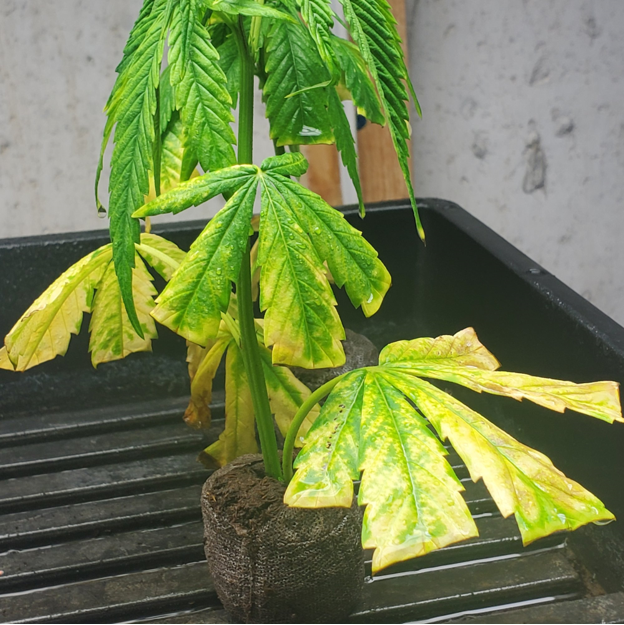

Nothing panics a new grower faster than opening the tent to find their yellowing in young clones overnight. Yellow leaves on young plants are a signal that something in the environment or the nutrient profile is off and while the cause can look dramatic, most cases are fixable if you diagnose them quickly, resist the urge to panic-treat, and work through the possibilities in a logical order rather than throwing every fix at the problem simultaneously. When growers notice clones turning yellow, they should first study where the color change appears and what changed recently.
Start with the Pattern: Additional Considerations
The location and shape of discoloration provide useful clues. One older lower leaf fading is different from pale new growth, spots between veins, bleached upper leaves, or dry margins. Photographs taken under similar lighting help show whether the condition is spreading or improving. The pattern should be considered with recent changes rather than treated as a diagnosis by itself.
Review Watering First
The first step is figuring out where the yellowing starts. Are the older, lower leaves turning yellow first, or the newer top growth? Are the veins staying green while the tissue between them fades? Are the tips crisping and curling? Each pattern points to a different problem, and treating the wrong cause may make things worse and delay recovery. Take clear photos in daylight-balanced light before you change anything so that you can compare progression accurately.
Check Light Intensity
Young clones developing yellow leaves at the bottom leaves first, with a general pale-green fade moving upward, almost always indicates nitrogen deficiency. Young clones don’t need heavy feeding, but they do need something to sustain new growth. If you’ve transplanted into a low-nutrient medium and haven’t started feeding yet, mild nitrogen hunger sets in within a week to ten days. Introduce a light veg nutrient at quarter strength and watch for recovery within a few days. New growth should darken first, followed by gradual color return in older leaves. Cases of clones yellowing may involve water, light, roots, environment, pests, nutrition, or transport rather than a single universal cause.
Inspect the Root Zone
Leaves can show stress that begins below the surface. Saturated media, poor drainage, compacted material, transplant damage, low root-zone temperature, or weak rooting can limit normal uptake. The plant should feel stable in its container. Unpleasant odor, slime, or very slow drainage deserves attention before additional fertilizer is applied.
Consider Temperature and Humidity
If your yellowing in young clones pattern shows interveinal chlorosis, yellow tissue between green veins, the culprit is usually magnesium or iron. Magnesium deficiency typically hits older leaves first; iron shows up in new growth. Both are often caused not by the absence of the nutrient but by pH lockout, which prevents absorption even when the nutrient is present in solution. Cannabis in hydro likes pH 5.5-6.2; in soil, 6.2-6.8. Outside those ranges, roots can’t absorb even a well-mixed feed.
Inspect the Root Zone: Additional Considerations
Overwatering is another frequent cause of young clones developing yellow leaves. Young clones have minimal root systems, and saturated media suffocates them by displacing oxygen. Yellow, drooping leaves with wet, heavy pots, even when temperatures are correct, usually mean the plant is drowning. Let the medium dry back significantly between waterings during the first two weeks after transplant, and lift pots to feel weight rather than trusting surface appearance.
Separate Transport Damage from Ongoing Stress
Leaves may be rubbed, bent, or compressed during fulfillment. Damaged tissue can yellow later, even when healthy new growth continues. Arrival photographs and a short observation period help distinguish limited physical damage from a condition that is actively spreading. Serious concerns should be reported within the supplier’s stated window.
Evaluate Nutrition Carefully
Light stress can also trigger yellowing quickly. Clones fresh from a nursery are used to lower the light intensity to what a mature grow room provides. Slamming them under a 600W LED at full power may bleach the tops within days. Keep new arrivals under soft light 200-300 μmol/s at canopy level for the first week, then ramp up gradually over the following two weeks as they harden off.
Look for Pest Activity
Temperature swings, low humidity, root rot, pests, and even overfeeding can all show up as yellowing. This is why diagnosing yellowing in young clones requires observation before action. Check your pH, your runoff EC, your medium moisture, your leaf pattern, and your room conditions before reaching for a bottle. If you catch it early, most causes of young clones developing yellow leaves are fully reversible with a single targeted adjustment. Cannabis is a resilient young plant, especially, and clean genetics from a healthy nursery may bounce back quickly.
Change One Major Factor at a Time
Changing light, water, nutrients, container, temperature, and airflow together makes the result impossible to interpret. Correct the most obvious issue first and record the response. A methodical approach protects the plant from repeated shock and helps the grower learn which condition actually caused the symptom.
Use a Written Checklist
A short written checklist keeps the decision process consistent. It can include legal verification, product stage, expected size, source information, transport timing, arrival photographs, environmental preparation, and the seller’s reporting policy. Written answers are easier to compare than memory, especially when several suppliers or products are being considered. The same checklist can be reused during receiving so that important details are not missed when the plant arrives.
Review the Plan After Arrival
The purchase should be reviewed after the first transition period. Buyers can compare the listing with the plant received, note how communication and fulfillment were handled, and record any adjustment problems. This review creates useful evidence for a future order and helps separate supplier-related concerns from conditions that developed later in the new environment. A simple record is especially valuable when several varieties or delivery dates are involved.
Final Thoughts
Leaf discoloration is a symptom, not a final diagnosis. Water, light, temperature, humidity, roots, pH, nutrition, pests and transport history may all contribute. The most useful response is to inspect the pattern, correct one likely issue, and observe the result. Stable care and good records usually provide more information than aggressive intervention.
